

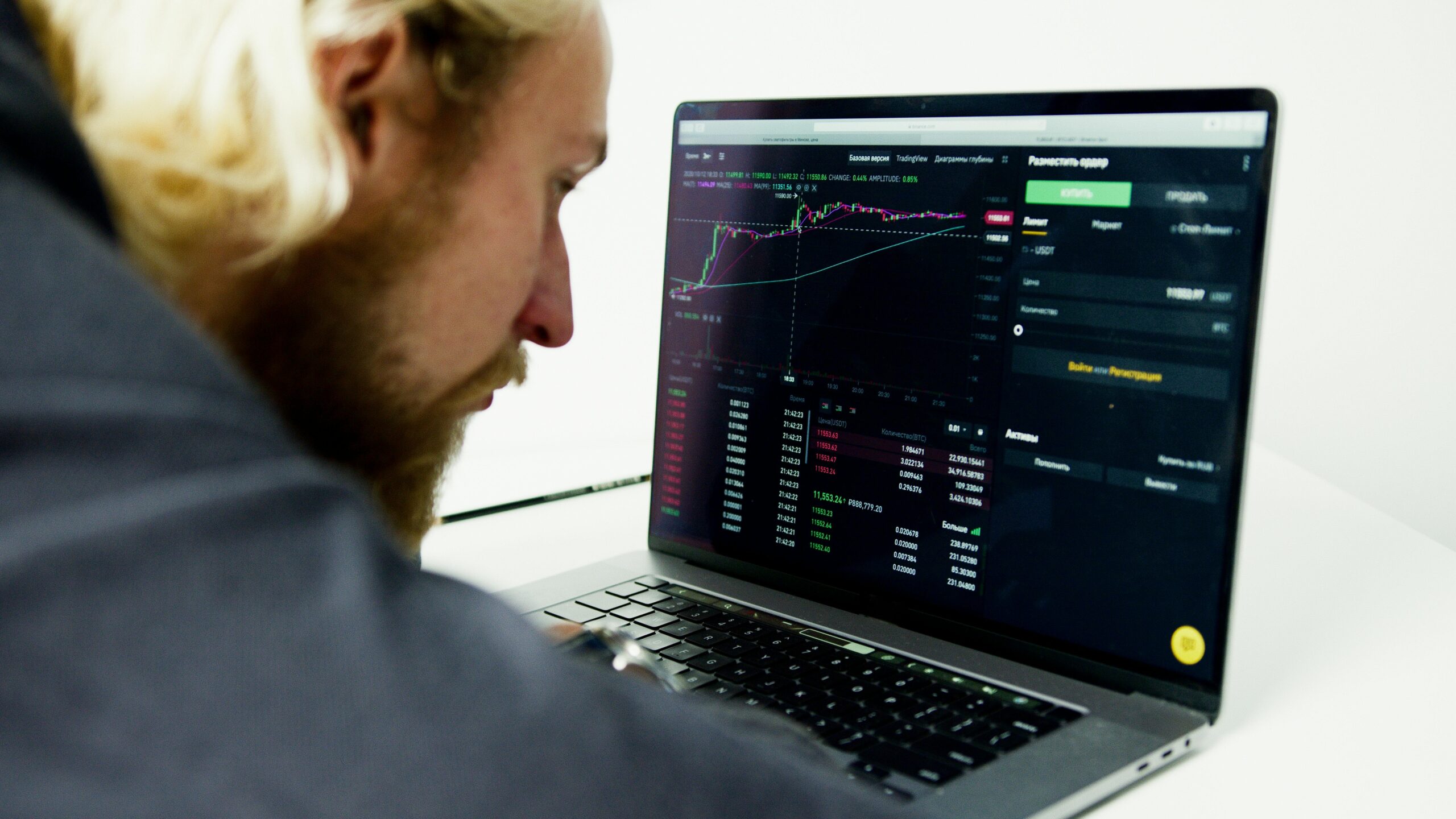
Learning how to read forex charts is one of the most important skills for anyone who wants to trade currency markets successfully. Charts show how prices move over time, and once you understand their patterns, you’ll begin to see opportunities that were invisible before. Professional traders rely heavily on charts because they reveal the market’s rhythm—its trends, momentum, and turning points. With practice, reading charts becomes a natural part of decision-making, helping you enter and exit trades with confidence.
Forex charts display price movements in different timeframes, from minutes to months. Every chart tells a story about what buyers and sellers are doing. One of the first things a trader learns is how to choose the right chart type. The most common is the candlestick chart, which offers detailed information about opening, closing, high, and low prices within each period. Candlestick patterns can show whether the market is strong, weak, or uncertain. Patterns like bullish engulfing, hammers, or doji candles help traders identify shifts in momentum.
Another key part of reading charts like a professional is understanding trends. A trend is simply the direction in which the market is moving—up, down, or sideways. Traders analyze trends to align with the market rather than fight against it. Uptrends are marked by higher highs and higher lows, while downtrends show lower highs and lower lows. Recognizing these structures helps traders avoid frustrating losses that come from trading against the dominant direction.
Support and resistance levels are also essential. These are price areas where the market repeatedly struggles to break through. Support is a level where buyers tend to enter, preventing price from falling too far. Resistance is where sellers tend to step in, stopping price from rising higher. Knowing how to spot these levels gives traders an advantage: they highlight zones where price may reverse, pause, or break out. Professionals use these levels to plan precise entries and exits.
Reading forex charts also involves understanding market momentum. Indicators such as RSI, MACD, and Stochastic Oscillator measure the strength of price movements. Although you don’t need to rely on indicators alone, they help confirm what you see on the charts. For example, if the price is rising but momentum is weakening, it may signal a possible reversal. Combining chart reading with momentum analysis gives a fuller picture of market behavior.
Timeframes play a huge role as well. Professional traders look at multiple timeframes to understand the bigger picture before entering a trade. A trader might study the daily chart to identify the long-term trend, then switch to the 4-hour chart to find clearer structure, and finally use the 15-minute chart to time the trade precisely. This top-down approach prevents confusion and helps avoid taking trades that go against the broader momentum.
Chart patterns are another powerful tool. Patterns such as triangles, flags, head and shoulders, and double tops can indicate future price movements. These formations appear regularly in the market and help traders anticipate breakouts or reversals. Recognizing chart patterns takes practice, but with experience, they become easier to spot and use effectively.
Professional traders also pay attention to volatility. Wide candles, sudden spikes, and aggressive moves often signal important shifts in the market. During highly volatile periods, support and resistance levels can break more easily, and price may move faster than expected. Understanding how volatility affects chart behavior helps traders adjust risk and avoid unnecessary surprises.
Ultimately, becoming skilled at reading forex charts requires patience and consistent practice. The more time you spend studying price movement, the better you’ll understand how markets react under different conditions. Forex charts are not just lines and candles—they are the visual language of the market. By learning to read that language, you equip yourself with one of the most powerful tools in trading.