

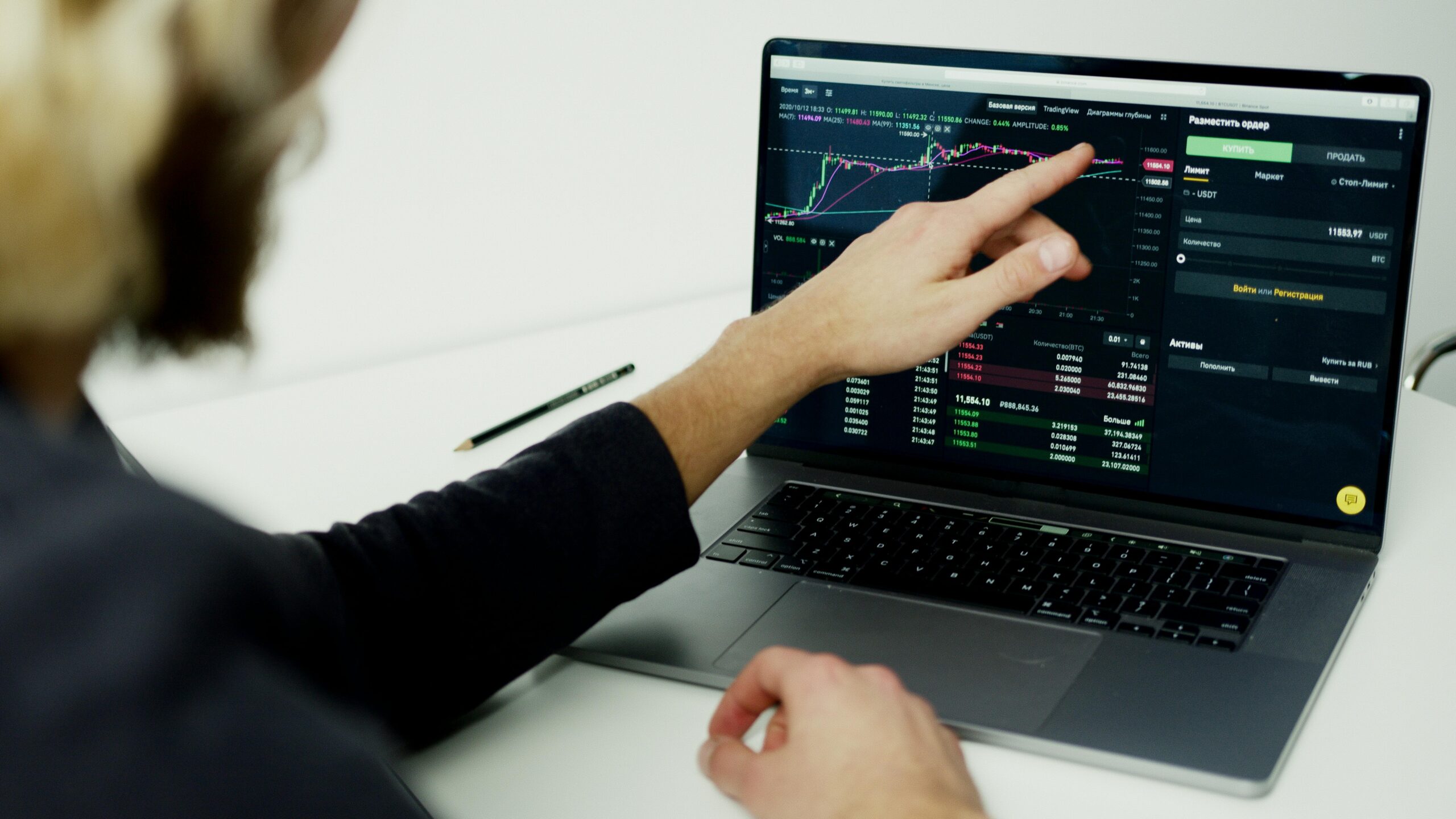
CFD trading has become one of the most popular ways for traders to access global financial markets without owning the underlying assets. CFDs, or Contracts for Difference, allow traders to speculate on price movements of currencies, stocks, commodities, indices, cryptocurrencies, and more—all from a single trading platform. For beginners, understanding how CFDs work is essential because this form of trading offers flexibility and opportunity, but also carries significant risk if approached without proper knowledge.
A CFD is essentially an agreement between a trader and a broker to exchange the difference in the price of an asset from the moment the trade is opened to the moment it is closed. Instead of buying or selling the actual asset, traders only speculate whether the price will go up or down. This brings two major advantages: you can profit from both rising and falling markets, and you can trade with leverage, which allows you to control larger positions with a smaller amount of capital. However, leverage also amplifies losses, making risk management a critical part of CFD trading.
One of the biggest rewards of CFD trading is the accessibility it provides. Traders can enter global markets with relatively small deposits, choose from a wide range of instruments, and trade at any time depending on the asset. The flexibility to go long or short means traders can adapt to almost any market condition. In addition, modern brokers offer advanced platforms, real-time charts, and tools that help traders analyse price movements and execute trades efficiently. For many people, this creates an opportunity to participate in markets that were once available only to professional investors.
However, with these rewards come significant risks. Leverage can magnify both profit and loss, meaning the market does not need to move much before your account balance is affected. Market volatility can increase spreads and create sudden price spikes, leading to unexpected outcomes. Because CFDs are fast-moving and highly sensitive to economic events, emotional decision-making can easily lead to mistakes. Beginners should be aware that losses can occur quickly if trades are not managed carefully.
Understanding these risks is the first step toward developing safe and effective trading habits. One essential best practice is to use proper risk management. This includes setting stop-loss orders, limiting position sizes, and avoiding excessive leverage. Traders should also be aware of the costs involved, such as overnight swap fees and commissions. These costs can accumulate, especially for traders who keep positions open for long periods. Being mindful of these factors helps prevent unnecessary losses.
Another important best practice is to trade only with regulated brokers. A regulated broker provides transparent pricing, segregated client funds, and a safer trading environment. Beginners should take time to learn how platforms work through demo accounts before trading with real money. Practicing in a risk-free environment allows new traders to build confidence and understand market behavior without financial pressure. Education also plays a crucial role—understanding basic analysis, market drivers, and common trading strategies helps traders approach CFDs with a structured plan.
Psychology is another key aspect of successful CFD trading. Emotional reactions such as fear after a loss or excitement after a win can lead to impulsive decisions. Maintaining discipline, following a trading plan, and avoiding overtrading are essential for long-term success. It’s important to remember that CFD trading is not about predicting every price movement, but about making consistent, informed decisions over time.
CFD trading can be highly rewarding when approached with knowledge and discipline. It offers access to global markets, flexible strategies, and the potential for profit in both rising and falling conditions. At the same time, it carries real risks that should never be underestimated. By understanding how CFDs work, respecting leverage, practicing strong risk management, and continuously improving your trading skills, you can navigate the CFD market with greater confidence and control. For beginners and experienced traders alike, the goal is the same: trade wisely, stay informed, and protect your capital while seeking long-term growth.